How To Store Peptides After Reconstitution For Optimum Potency
How To Save Peptides After Reconstitution For Optimum Potency
Oxidation is the most usual degradation pathway for peptides in solution. It takes place when oxygen responds with at risk amino acid side chains, altering their chemical structure. The amino acids most vulnerable to oxidation are methionine, cysteine, tryptophan, histidine, and tyrosine. This 28-day home window is among one of the most important numbers to bear in mind in peptide storage space. It sets an outer boundary for how much time your reconstituted peptide can securely remain in multi-dose use. Some peptides deteriorate chemically prior to the 28-day mark, making the peptide itself the limiting factor rather than the bacteriostatic water.
Weight reduction methods using these peptides have fairly forgiving storage space needs. HPLC efficiently divides peptides based on their chemical properties, allowing scientists to evaluate the concentration of certain peptides in a sample. A lot of peptide vials are created to last around 4 to five weeks when made use of as suggested. Some peptides are dosed individually based on reaction, which can influence vial duration.Fridge Freezer Storage
- Normal assessment should belong to your peptide management routine. Each removal from the refrigerator reveals the vial to temperature adjustment and potential contamination. Organize storage space to allow quick accessibility without moving several vials. Selank and anxiety-focused peptides preserve conventional cooled stability. KPV for digestive tract health applications in a similar way requires proper freezer.
- Yet most researchers miss it since it looks like added job.
- By encouraging organized collagen development and enhancing fibroblast activity, BPC-157 helps to enhance broken cells and might also contribute in protecting against future injuries.
- SeekPeptides provides thorough sources for enhancing peptide storage and maximizing your financial investment worth.
That means the 2nd fifty percent of your cycle provides substantially much less substance than the first half. You might blame the peptide high quality, the vendor, or your own biology. Yet the genuine wrongdoer was being in your refrigerator during. The minute you add water to your peptide, you reintroduce the extremely molecule that drives destruction. It is an energetic participant in hydrolysis, the chain reaction that cleaves peptide bonds individually.
Detailed Reconstitution Method
Despite the fact that lyophilized peptides tolerate room temperature for shipping, they start breaking down more rapidly outside regulated problems. Relocate them to your fridge freezer or fridge as swiftly as functional. An appropriately lyophilized peptide preserves its permeable, cake-like structure. Collapse of this structure or development of crystalline regions recommends storage space problems were not optimal. TB-500 likewise shows excellent storage stability when effectively lyophilized. The typical shelf life extends to twelve months or longer at ideal temperatures.
A considerable portion of the interest in peptides, specifically under the umbrella of "peptides 4 life," is guided towards their use in clinical study. Companies focusing on research study peptides give scientists with devices to explore complex biological mechanisms. For instance, Pep 4 Life and comparable entities offer highly economical and efficient 99% purified peptides for laboratory use. It is essential to note that "All items on this website are for research purposes only" and are not planned for in vivo use or human usage. This difference is crucial for preserving honest and regulatory compliance in clinical ventures.
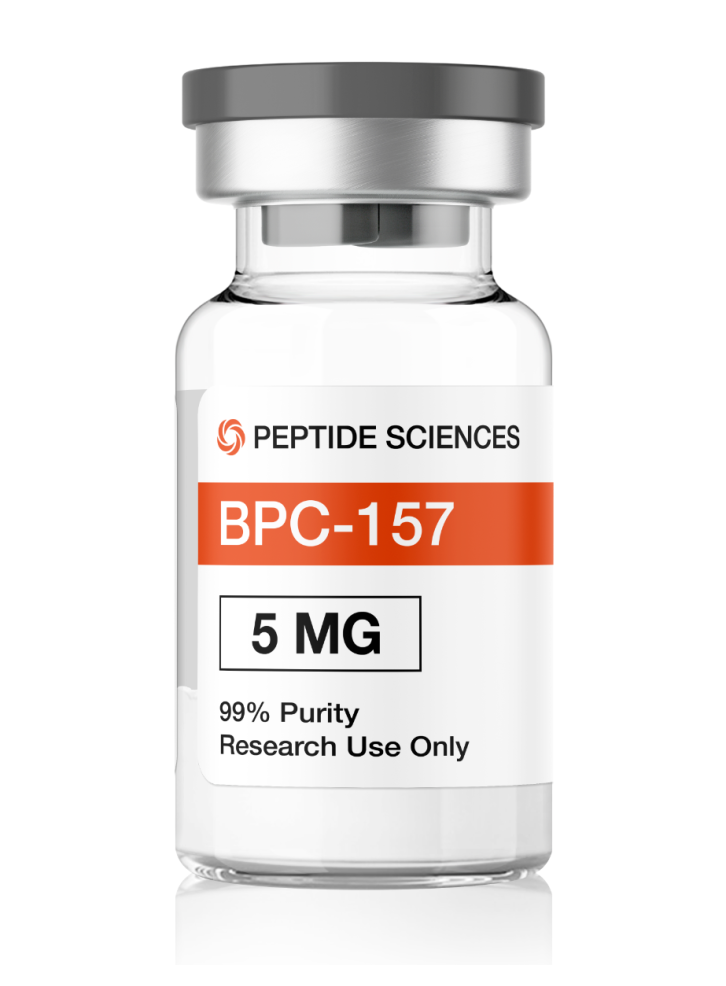
When in doubt, treat blends as requiring one of the most protective storage space conditions. BPC-157 demonstrates high inherent stability, making it among the more forgiving peptides for storage space. Correctly stored lyophilized BPC-157 can remain practical for three or even more years. Taking a trip with retatrutide suggests preparing for chilly chain prior to you leave, not when you land. An insulin air conditioning case with a gel ice pack is the standard solution for short journeys. These instances hold temperature for numerous hours without power, which covers most take a trip situations. Quick adventures at area temperature level, such as attracting your dose from the vial, serve generally peptide worsening technique.